Algal Bloom Capture and Enabling Core Technologies
Algal Bloom Capture
An algal bloom refers to a rapid and excessive growth of algae in aquatic environments, typically in freshwater or marine ecosystems. This phenomenon occurs when environmental conditions, such as nutrient availability, light, and temperature, favor the accelerated reproduction of algae. The primary driver of algal blooms is often the presence of elevated levels of nutrients—especially nitrogen and phosphorus—commonly introduced through agricultural runoff, wastewater discharge, and other human activities.
Causes
・Nutrient Enrichment (Eutrophication): Excessive amounts of nitrogen and phosphorus stimulate algal growth.
・Favorable Environmental Conditions: Warm temperatures, ample sunlight, and stagnant water can accelerate algal proliferation.
・Pollution Sources: Agricultural fertilizers, untreated sewage, and industrial effluents are major contributors to nutrient loading
Artificial Algal Bloom
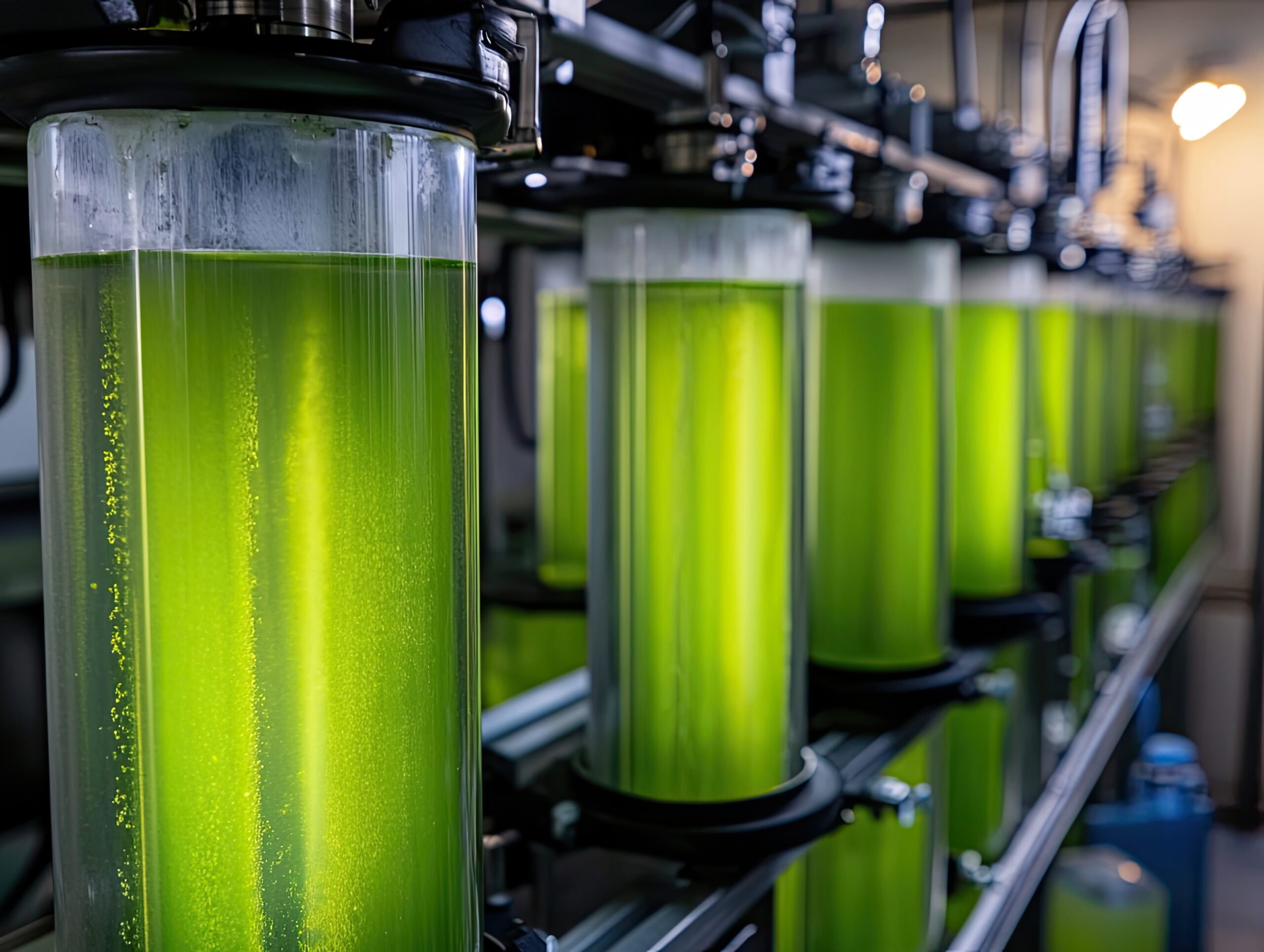
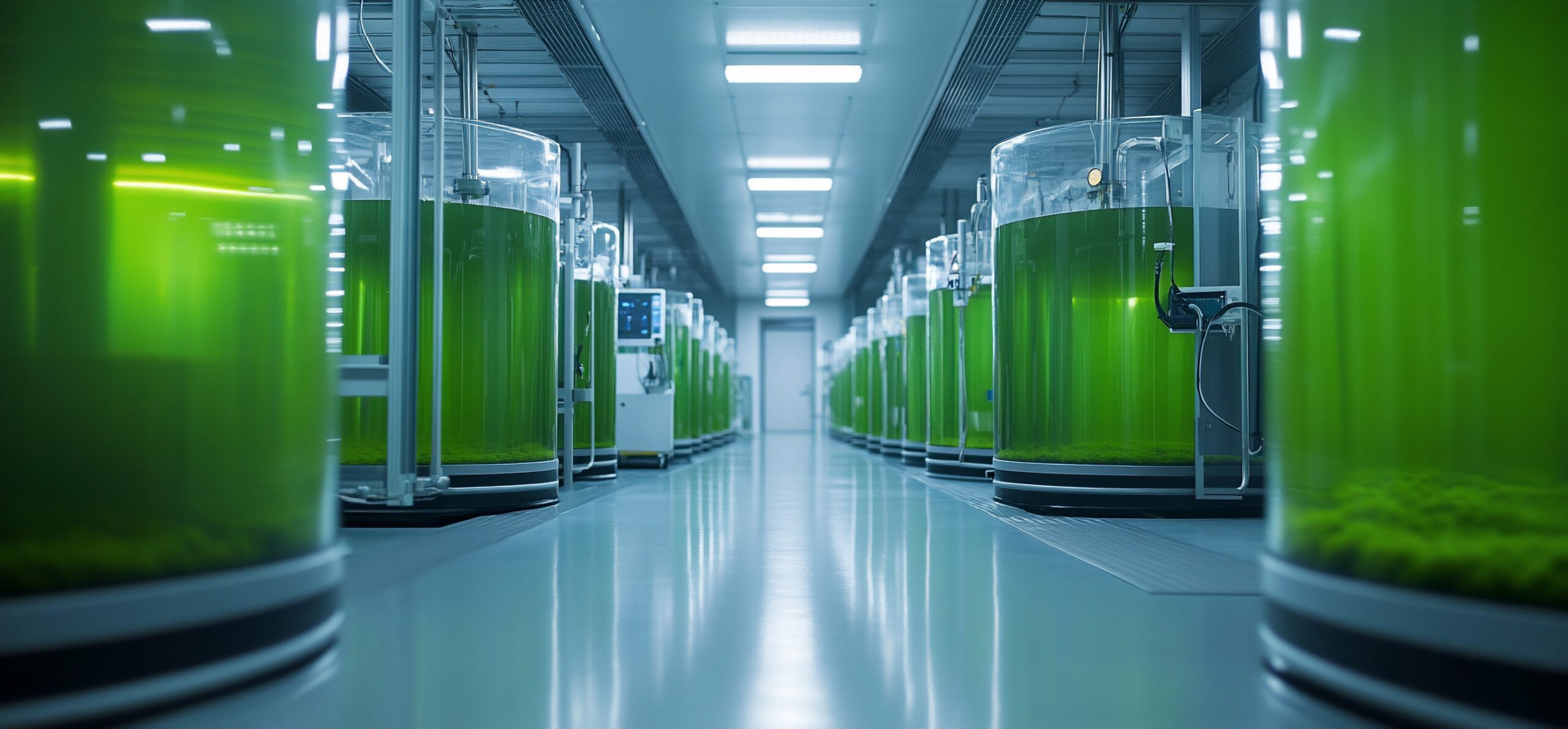
Artificially controlled algal blooms refer to the deliberate cultivation and regulation of algae growth in a managed environment to achieve specific ecological and industrial benefits. By manipulating key factors such as nutrient supply, light, temperature, and water flow, it is possible to induce and sustain algal blooms in a controlled manner.
Benefits from Algal Bloom Capture
- Carbon Dioxide SequestrationAlgae absorb CO₂ through photosynthesis at high rates. By scaling up artificial algal blooms, significant amounts of atmospheric CO₂ can be captured and converted into biomass. This process contributes to carbon mitigation efforts and can be integrated into carbon capture and utilization (CCU) strategies.
- Nutrient Removal and Water PurificationAlgae efficiently uptake nitrogen, phosphorus, and other dissolved nutrients. Artificial blooms can be deployed in wastewater or eutrophic water bodies to reduce nutrient loads, thereby improving water quality and preventing uncontrolled natural blooms.
- Biomass Production for Valuable ResourcesThe harvested algal biomass can be processed into biofuels, animal feed, fertilizers, or high-value bioproducts such as omega-3 fatty acids, pigments, and bioplastics. This circular approach transforms waste nutrients and CO₂ into useful resources.
How to control Artificial Algal Bloom
1. Initiate
Artificial algal blooms are initiated by creating optimal conditions for algal growth. This involves the deliberate introduction of algae into a controlled aquatic system with carefully balanced nutrients, adequate light exposure, and appropriate temperature. The goal at this stage is to establish a stable seed population that can begin rapid growth without causing ecological disturbances.
2. Proliferate
Once the initial population is established, growth is promoted through controlled nutrient supply (particularly nitrogen, phosphorus, and trace elements) and optimized environmental parameters. This phase focuses on achieving a high biomass yield efficiently while preventing uncontrolled expansion or resource depletion.
3. Sustain
To maintain the bloom at a productive level, continuous monitoring and feedback control are applied. Nutrient dosing, mixing, and CO₂ supplementation are fine-tuned to ensure that algal growth remains steady and that dissolved oxygen and pH levels stay within desirable ranges. This phase ensures long-term stability and prevents collapse due to nutrient exhaustion or self-shading effects.
4. Robust
A robust artificial algal bloom system must be resilient to environmental fluctuations, contamination, and operational disruptions. It incorporates adaptive control mechanisms, redundancy in nutrient and CO₂ supply, and periodic biomass harvesting to maintain system health. The robustness of the system ensures consistent CO₂ capture, nutrient removal, and biomass production under variable external conditions.

Core Technologies
To establish a controlled, efficient, and robust artificial algal bloom system, several advanced technologies are integrated. These technologies enable precise initiation, proliferation, and sustained operation of algal blooms optimized for CO₂ capture, nutrient removal, and biomass production.
Microalgae Breeding Technologies
- High-Throughput Screening: Utilizes automated systems to rapidly evaluate thousands of algal strains for desirable traits such as growth rate, nutrient uptake efficiency, and CO₂ fixation capacity.
- Multi-Array Assessment: Enables parallel testing of various environmental parameters (e.g., temperature, pH, salinity, and nutrient levels) to identify optimal growth conditions for each strain.
- Outcome: Facilitates the development of elite algal strains with enhanced productivity and adaptability to diverse water conditions.
Algal Library
- Application: Provides a flexible resource for selecting or blending strains best suited to the water quality and operational requirements of each project.
- Comprehensive Strain Collection: Established through nationwide sampling and selective breeding, encompassing strains with diverse physiological traits—tolerance to temperature, pH, salinity, nutrient concentrations, and varying growth rates.
- Functional Diversity: Includes strains optimized for specific purposes such as rapid biomass accumulation, high nutrient removal capacity, or resilience under fluctuating conditions.
Blended Strain Optimization
- Custom Strain Mixtures: Expertise in combining multiple algal species to create synergistic consortia that maximize growth efficiency, nutrient absorption, and ecological stability.
- Adaptive Blending: The strain composition can be dynamically adjusted based on real-time monitoring data, ensuring consistent system performance under changing environmental conditions.
IoT-Based Real-Time Sensing
- Comprehensive Monitoring: Deployment of IoT sensors to continuously measure parameters such as temperature, pH, dissolved oxygen, nutrient concentrations, light intensity, and algal density.
- Data Integration: Sensor networks transmit data to centralized platforms for real-time analysis and decision-making.
- Immediate Feedback Control: Enables timely adjustments in nutrient dosing, CO₂ injection, and mixing to maintain optimal bloom conditions.
AI-Driven Cultivation Control
- Machine Learning Models: Trained on extensive historical data from breeding experiments and operational growth datasets to predict algal growth dynamics and nutrient consumption.
- Predictive Optimization: AI systems adjust cultivation parameters proactively, preventing bloom crashes, nutrient depletion, or excessive biomass accumulation.
- Closed-Loop Automation: Combines predictive analytics with real-time sensor data to achieve highly efficient, self-regulating bloom management.